Mumbai
and Dharavi
Mumbai is India's largest city, with a population
of 14,350,000 people, and is India's financial centre. It is also a major port
due to British influence, which allowed it to industrialise. The British
colonial administration developed the peninsula into a major port for
travellers from Europe, and it became known as the Gateway to India. Access to
the sea on both sides allowed the fishing villages to grow and develop, and
from 1947 (after India gained independence from the British Empire), the
population grew even more rapidly. It is an example of a consolidating
megacity, with fast growth but a lack of basic amenities.
The land price in the central business district
(CBD) of Mumbai is exceptionally high, and unaffordable for those even with
skilled jobs, so this has lead to the spread of cheap and poorly built houses
into the suburbs. There is massive overcrowding on public transportation
systems, and as the city has grown, people now have more difficulty commuting
from settlement areas to the CBD, a distance that can exceed 40km. To support
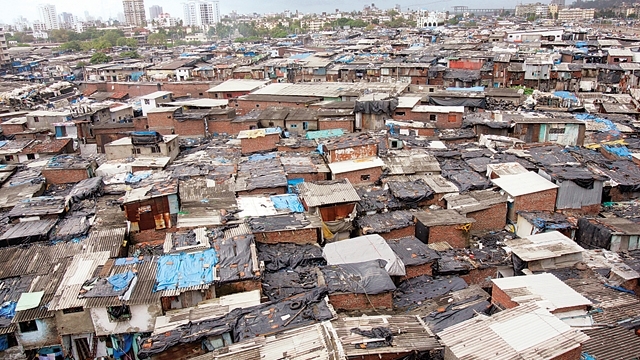
the growing population, squatter settlements (slums) such as Dharavi have
developed, producing many health and safety issues, as well as an increased
need for sophisticated waste, pollution and sewage removal services. Air
pollution is significantly higher than normal levels, with 97% of the
population exposed daily to pollution above the World Health Organisation's
guidelines. The city authorities struggle with the rapid population growth and
urbanisation, and the growing economy is in need of formal workers in a wider
range of sectors excluding manual labour, as the port location of the city
restricts building work and development. The city is at an increasing risk of
flooding as it expands, as it causes damage to the mangrove swamps that retain
the water.
The Redevelopment of Dharavi
Dharavi is a slum covering 2km², and is home to
600,000 people and 4500 industries. The family-owned businesses generate US $40
million profit each year for India, but the slum significantly restricts the
growth of central Mumbai. Due to this, redevelopment of the site appears to be
inevitable, but this will lead to conflict between residents and
developers.
The governments of Mumbai and Maharashtra State are
planning wholesale development of the Dharavi slum, with houses cleared in
stages. Residents will be offered temporary accommodation, and any family with
a history in the area will receive free housing in the soon to be build
redevelopments. The remaining houses will be sold or let on the open market.
Redevelopments will also include health care facilities, civic amenities and
industries.
To summarise, benefits of the redevelopment of
Dharavi include:
- The site's close proximity to the Bandra Kurla Complex, the major business and technology centre of Mumbai.
- The land's protection against flooding, as Dharavi was once a swamp, but now as it has been built on, the ground level has been raised.
- High real estate value (for its location near the CBD as well as being on elevated ground).
- The improved ability for the city to compete with other business centres.
- The preservation of landmark colonies within the slum, such as Kumbharwada, a potters colony with a rich history.
Drawbacks include:
- The forced closure of thousands of small industries.
- The views of unregistered people will be ignored, and they are unlikely to receive any form of alternate shelter.
- Financial pressures mean that housing plans are more likely to be changed to commercial developments, in order to increase profits.

No comments:
Post a Comment